

The Hidden Engineering Behind Everyday Plastic Moulded Products
You pick up a smartphone case without thinking. Grab a kitchen appliance handle. Use a car dashboard component. These feel simple because good engineering makes them feel simple. But there’s remarkable complexity hiding inside plastic moulded products. At Plas-Tech, we see this complexity every day. Most consumers never realise how much thought goes into the ordinary things they use.
Nothing About Plastic Moulded Products Is Actually Simple
People assume plastic components are cheap because they look straightforward. The reality tells a different story.
Consider a smartphone case. Engineers must calculate wall thickness so it provides protection without being bulky. They choose materials that absorb impact without cracking under repeated drops. The internal ribs support stress points without adding visible bulk. Even the texture on the surface serves a purpose—improving grip while looking intentional.
That’s just one product. Multiply this complexity across every plastic moulded product you encounter daily.
Design for Manufacture Solves Hidden Problems
Before we manufacture anything, our team reviews every design. This process, called DFM, spots issues others miss.
Wall thickness variations cause warping during cooling. Sharp corners become stress concentration points where cracks develop under load. Undercuts create manufacturing difficulties and weak points. Gate placement affects how material flows, influencing final strength and appearance.
Our plastic moulding manufacturer team redesigns components to solve these problems before tooling even begins. Clients sometimes question these recommendations. Then they see the results and understand why we suggested changes.
Material Selection Demands Real Expertise
Choosing the right plastic isn’t about cost alone. It’s about matching material properties to real-world conditions.
An automotive dashboard must withstand heat without warping. Medical device housings require chemical resistance and sterilisation compatibility. Electronics components need electrical insulation properties. Construction fittings demand weather resistance and durability over years.
We guide clients through material options based on their specific application. ABS provides rigidity and impact resistance. Nylon handles stress and wear better than standard plastics. TPU offers flexibility for components that need to bend. Bioplastics support sustainability without compromising performance.
Getting this wrong means costly failures once products reach the market.
Tooling Precision Creates Consistency
The moulds we create determine whether you get reliable products or frustrating variations.
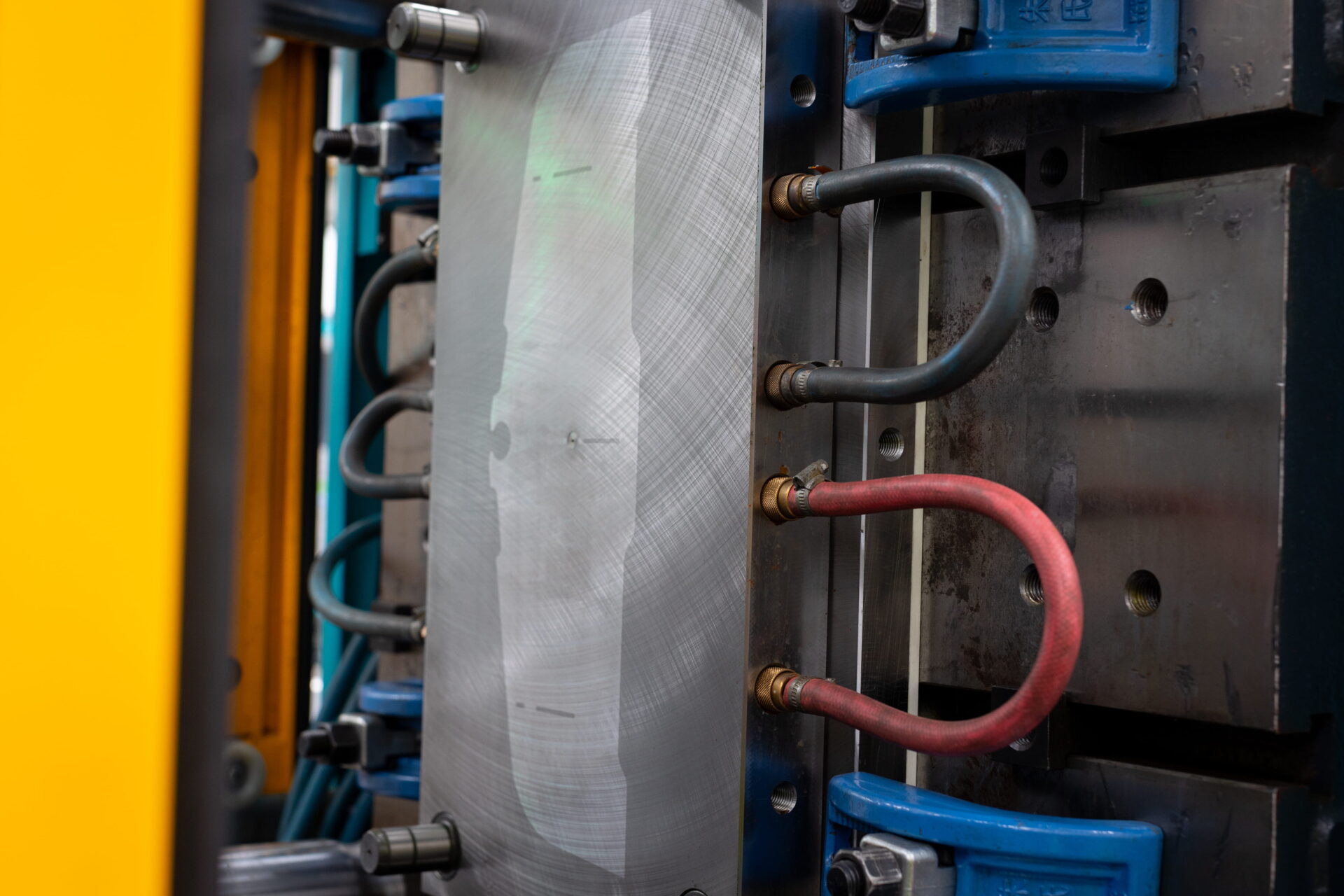
Our in-house tool room machines moulds to incredibly tight tolerances. Hurco VMX30i machining centres ensure accuracy that standard manufacturing can’t match. Spark eroders and wire EDM machines handle intricate details. Our time-served toolmakers add finishing touches by hand.
This precision matters because every plastic moulded product coming off our machines needs to match the previous one perfectly. Automotive suppliers demand this. Medical manufacturers require it. Electronics manufacturers depend on it.
Bespoke plastic moulding lets us create tools that capture every detail of complex designs without compromise.
The Engineering You Never See
Cooling design controls how plastic solidifies. Gate placement determines material flow patterns. Venting prevents air pockets that create weak spots. Ejection pin placement avoids visible marks or part damage.
These elements live inside the tool where nobody sees them. But they determine whether your product works reliably or fails prematurely.
High Speed Production Maintains Quality
Manufacturing plastic moulded products at volume introduces new challenges. Running thousands of cycles means managing heat, pressure, and cooling timing precisely.
Our robotic systems and conveyor setups maintain consistency across long production runs. Quality checks happen at every stage. Temperature monitoring ensures materials behave identically each cycle. Pressure sensors confirm filling patterns remain consistent.
This engineering keeps costs down while maintaining the quality standards your application demands.
Everyday Complexity Deserves Respect
The next time you use a plastic moulded product, remember the engineering behind it. Someone at a plastic moulding manufacturer designed it carefully. Engineers selected materials thoughtfully. Toolmakers created precise moulds. Production teams maintained consistency across thousands of cycles.
At Plas-Tech, we respect this responsibility. We’ve served diverse industries for over 30 years because we understand that bespoke plastic moulding demands real expertise.